
THROUGH ISLET BINOCULARS: AKI POUSAR, DEVELOPMENT DIRECTOR
In what kind of organization do you work and what is your role there?Wihuri Oy operates in several business areas: packaging business, technical trade and food wholesale. I work for the Wihuri Oy Aarnio wholesale, which serves organisations manufacturing and selling food, meaning the HoReCa sector, and the retail industry. I lead Aarnio’s development unit dedicated to continuous business improvement.
To which direction is your field developing?
It has been interesting to see how the European culture, like the increasing popularity of eating out, is slowly spreading to Finland and boosting the restaurant business and how the entire industry is growing despite the general downturn. Compared to other industries, eating and food are a part of every day. Eating out is more commonplace these days and it creates a need for new players like pop-up or theme restaurants.
What is your organization’s key message to its stakeholders and customers?
We are a reliable partner that customers can rely on to make the best out of everyday life. Restaurants need their ingredients fresh and with services customized to them. Our customers require a comprehensive range, a reliable supply chain and services to support their everyday lives. Reliability is key.
What is the best part of your work?
Continuous progress. Wihuri is an organization with a forward-looking culture, which is reflected in our work in practice. We have the owners’ support for promoting business that ensures the needed resources for development. This continuous movement is well suited for our development-oriented employees – upwards and onwards!
What are the keys for success in change?
Strong change management culture. We do a lot by projecting different efforts, but the culture is like embedded in our people and encourages continuous improvement. Already years before the last transformation, we cultivated the spirit of driving change, which is a key force for achieving. For example, good technical prerequisites to run projects are not enough, but people need to be motivated to constantly improve. That helps a lot when we are facing complicated development steps.
How did you start developing project capabilities in your organization before the changes?
Prior to the project of deploying the logistics center, we established a Project Manager Academy, a conceptual coaching program for those dozens of key individuals driving the change. The Academy included, of course, practical matters, but also how to lead change through people and how to ensure the right capabilities and critical success factors. Success doesn’t only depend on the individual but there are wider dependencies within the organization. Thus, the foundation for the growth of the organization’s very extensive change management capabilities began to emerge.
How does your organization retain top talents and what makes your organization a great place to work?
Individual coaching: people with the same job description may have very different ambitions, and listening and responding to them is important. Modern managerial work requires caring for the employee’s career. In our development organization we have sought to embrace that as a new way of leading people, which encourages positive outlook, security and fulfills individual’s ambitions. In addition, we strive for continuous improvement — we have a healthy, critical attitude towards the present and look for things to improve. It is written into each job description.
”Lessons learned” for leading in change?
In the face of demanding change, you should prepare for “leading in uncertainty”. You cannot see clearly very far, thus you will inevitably be in a state of uncertainty. This state of affairs reflects extensively, not only on the management team or staff, but on the stakeholders of the organization. Dimensionality, openness and transparency, as well as recognizing the uncertainty and the power of the group all contribute to managing it.
Your development plan for the next 12 months?
Our current theme is fulfilling market promises. When introducing the Logistics center, we promised our customers, suppliers and ourselves to bring a new, significant player to the market. We are now starting to get the most out of our machine and fulfilling our promises, for example by increasing delivery reliability and designing new services.
We would also like to promote cooperation between Wihuri’s various industries, which holds great potential. Cross-industry collaboration would improve both customer and staff experience as well as cost-effectiveness.
How would you describe the partnership with Islet?
ISLET is a reliable, straightforward and open partner that calls a spade a spade. Our cooperation has always been fruitful and I have very positive expectations for our future cooperation. ISLET’s nearshore service in Hungary is high-quality, cost-effective, very reliably integrated and seamless.
What is your motto?
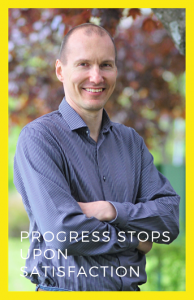
Progress stops upon satisfaction. There is always room for improvement and development work is never done.